Hypertension

The Vulnerable Period After Hospitalisation: Why Blood Pressure Matters So Much

25 June 2026  |  By Mended Hearts Europe

Share this story

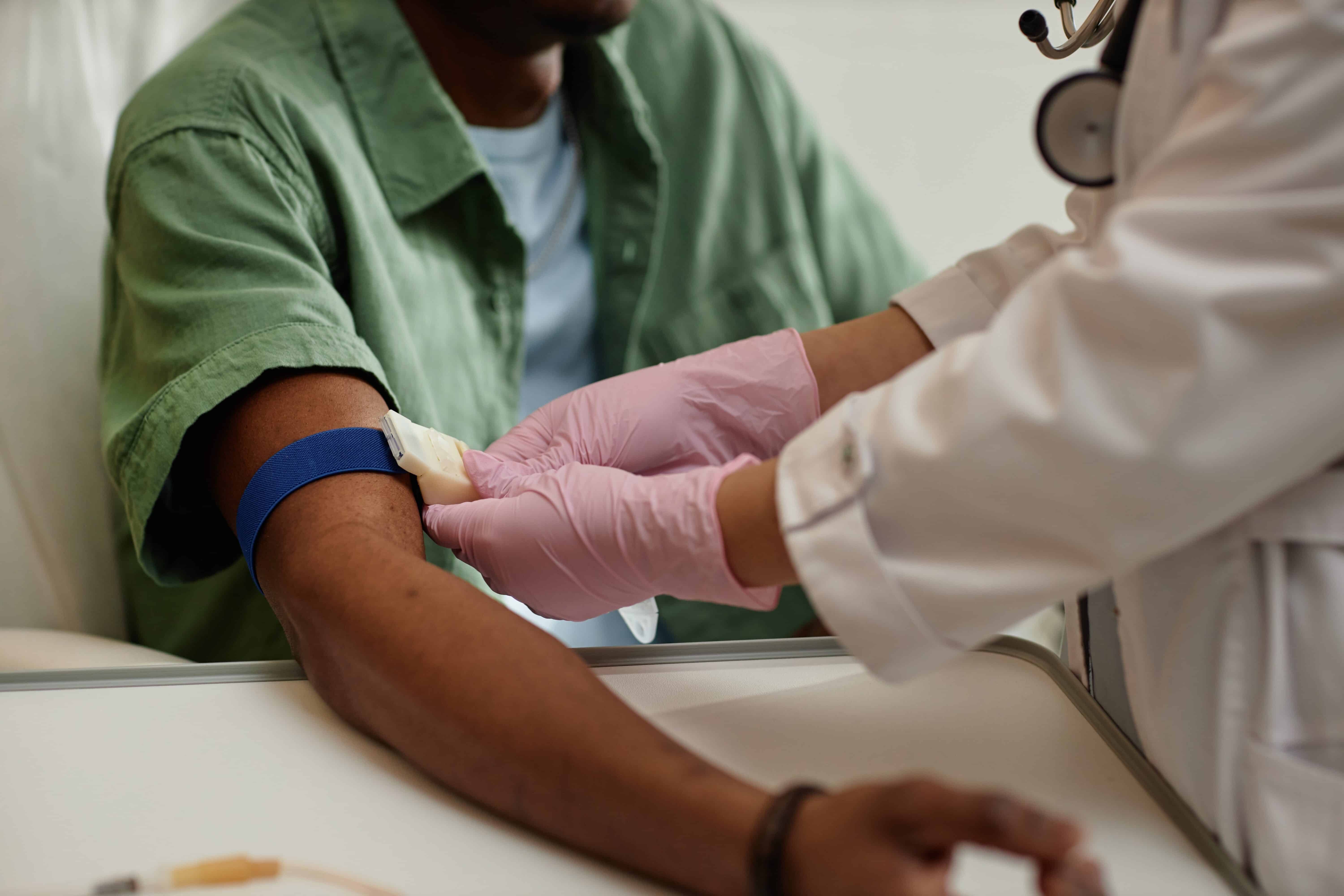
Leaving the hospital after a heart failure or acute high blood pressure stay can feel like a relief — but it is also a time when extra care and attention are especially important. Doctors often call the first few weeks to months after discharge as the “vulnerable period.” During this time, people living with heart disease face a higher risk of feeling worse again, returning to the hospital, or developing new health problems. Research shows that managing high blood pressure (hypertension) during this period plays a critical role in staying well and avoiding setbacks.

What Is the Vulnerable Period?

The vulnerable period generally refers to the first 2–3 months after leaving the hospital. Even when symptoms such as shortness of breath and swelling improve during a hospital stay, the heart, kidneys, and blood vessels may not be fully stabilized at the time of discharge.  Many problems that lead to rehospitalization happen after patients return home – often within the first weeks – and not while they are still in the hospital.

This period is considered “vulnerable” because the heart, kidneys, and blood vessels are still adjusting, prescribed medications may have recently changed, the body can be even more sensitive to small stresses — such as fluid buildup, missed medications, or changes in blood pressure – and many people are still adapting physically and emotionally to life after hospitalization.

How High Blood Pressure Fits In

High blood pressure is one of the most important conditions affecting people living with heart disease, both before and after hospitalization. When blood pressure is too high, the heart must work harder to pump blood. This extra strain can worsen heart failure symptoms and further increase pressure inside the heart, even if a person feels okay at first.

Research shows that elevated blood pressure after discharge can trigger fluid buildup and rising heart pressures, which are common reasons people may need to return to the hospital during the vulnerable period. Even modest increases in blood pressure can overwhelm a heart and kidneys that are still recovering.

Why You Might Feel “Better” but Still Be at Risk

One of the challenges of the vulnerable period is that symptoms do not always tell the full story. Studies show that many patients leave the hospital feeling less short of breath and with reduced swelling, yet still have high pressure inside the heart and blood vessels.

This hidden strain can silently worsen over time, especially when high blood pressure is not well controlled. This is one reason why healthcare professionals often stress the importance of taking medications exactly as prescribed — even if you feel better — and monitoring blood pressure closely at home.

Pharmacist in a white coat advising an older woman holding a handbag inside a pharmacy.

The Role of Medications and Self Care

During and after hospitalization, medications for heart failure and blood pressure are often adjusted. These medicines are intended to:

  • Lower blood pressure safely
  • Reduce fluid buildup
  • Decrease stress on the heart
  • Help prevent symptoms from returning

However, understanding and managing these medications can feel overwhelming, especially right after leaving the hospital. Patients frequently report fear, uncertainty, and concerns about how to care for themselves once they return home.

This is why patient education, clear communication, and ongoing support remain so important during recovery.

Why Patient Involvement Matters

Recent research highlights that people do better during the vulnerable period when they are actively involved in their care. This includes understanding how blood pressure affects heart disease, knowing which symptoms to watch for, feeling confident asking questions and reaching out for help early.

Education and engagement during this phase have been shown to improve medication adherence, confidence, and self‑care—and may reduce the risk of rehospitalization.

Patients often benefit from:

  • Learning what their blood pressure goals are
  • Knowing when a blood pressure reading is “too high” or “too low”
  • Understanding why each medication matters
  • Having clear instructions on who to call if symptoms change

In addition, many people also find reassurance in connecting with others who have faced similar health challenges and understand the realities of living with heart disease. Peer support can provide encouragement and confidence during a period that often feels uncertain. Through initiatives such as Welcome Home, developed together with local patient organizations, Mended Hearts Europe helps ensure that support continues beyond hospital walls, connecting patients with trained peer supporters and resources when they may need them most.

Home visit with a healthcare professional reviewing information on an iPad with an older adult.

Taking Action During the Vulnerable Period

The weeks following hospital discharge are not simply a recovery phase — they are an opportunity to strengthen long-term care and reduce future risks. Careful blood pressure control, attention to medications, and strong communication between patients and healthcare teams can make a meaningful difference.

If you or a loved one has heart disease, including high blood pressure, do not hesitate to ask questions, share concerns, and stay engaged in follow-up care. Small, consistent actions — supported by the right information, healthcare team, and community — can make a meaningful difference. Managing hypertension during this vulnerable period is one of the most important steps toward staying out of the hospital and living better with heart disease.

This article was developed with contributions from Kardigan.

More reading

Travelling Safely with a Heart Condition This Summer

25 June 2026 | By Mended Hearts Europe

Women’s Health Can No Longer Be an Afterthought

Key Takeaways from the Cardio-Kidney-Metabolic Policy Forum

25 June 2026 | By Mended Hearts Europe

Your Voice Can Help Shape the Future of Heart Care

25 June 2026 | By Mended Hearts Europe

Join Our HeartFelt Community

Join a growing network of people affected by cardiovascular conditions sharing their stories and experiences